FOOD WASTE REDUCTION
Reducing Fresh Waste While Improving Availability
THE CHALLENGE
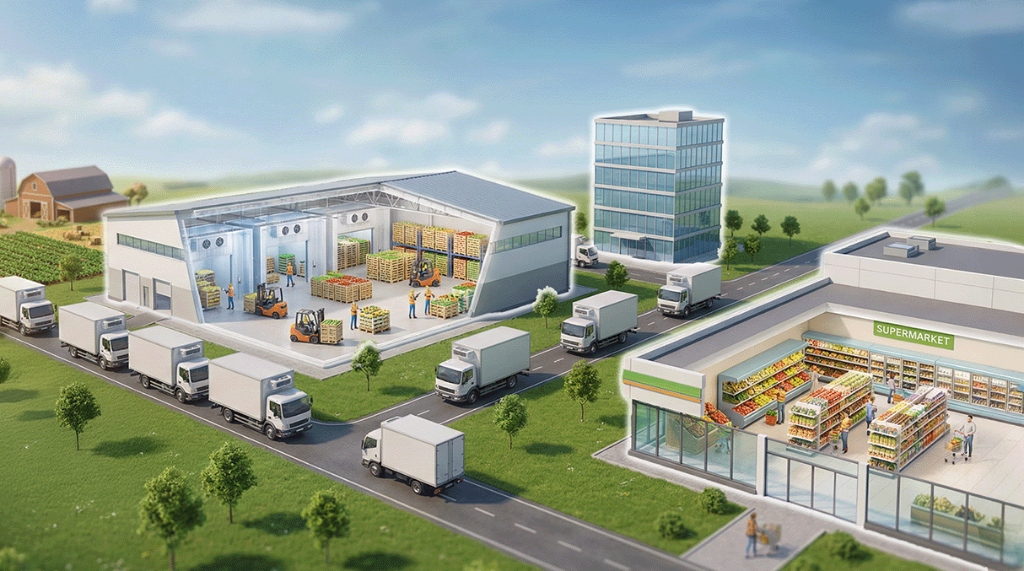
Fresh categories became a major source of waste and margin erosion. Volatile demand, manual ordering, weak forecasting and misaligned promotions drove recurring overstocks, stock-outs and write-offs, while process weaknesses from suppliers to store shelves further amplified inefficiencies and hid the true causes of waste.
How we can conquer this problem together
OUR APPROACH
1. Discover
- •Uncovering the real issues by creating full transparency on waste drivers and inefficiencies across the supply chain
- •Quantifying the impact of losses to turn assumptions into measurable business insights
- •Aligning all functions on the most critical improvement opportunities to ensure focus on what truly matters
2. Design
- •Translating insights into clear KPIs, targets and solution blueprints tailored to each format and category
- •Designing improvement levers that balance commercial ambition, operational feasibility and product freshness
- •Preparing a pragmatic pilot roadmap and governance framework to enable fast and coordinated testing
3. Pilot
- •Validating designed solutions under real operating conditions to confirm effectiveness and feasibility
- •Fine-tuning parameters for delivery, markdowns and stock routines to achieve consistent and repeatable results
- •Consolidating proven practices into a scalable toolkit that enables reliable execution across formats
4. Sustain
- •Scaling validated solutions across all formats with clear parameters and operating routines
- •Embedding KPIs, governance and daily management practices to sustain performance discipline
- •Establishing continuous improvement loops to secure measurable and durable results over time
THE IMPACT
Click on the stations to learn more.